

Assalamualaikum and hi! Since this is my first time blogging, let me tell you a little bit about me. I’m Nurin Nafisa Binti Ahmad Zulkeflee and currently, I’m 18. Now, I’m taking my diploma at UiTM Melaka, Alor Gajah campus in business studies.
UED102: study skill is a non-core course that prepares students with learning skills essential to help them to cope with the transition from secondary school to university’s life.
The Content of UED102 :
- Learning Style Inventory
- Goal Statements – The Five Step Approach
- Fixed – Commitment Calendar
- Job Task Analysis
- Prioritized To-Do List
- Memory Strategies
- Organizational Strategies
- Concentration Strategies
- Concentration Chart
- Reading Text
- Note-Taking Strategies
- Note-Taking Exercise using the Cornell Method
- GPA Worksheet
Topic 1 : Getting Ready to Learn
by Madam Bushra Binti Mohd Zaki – 25th July 2019–
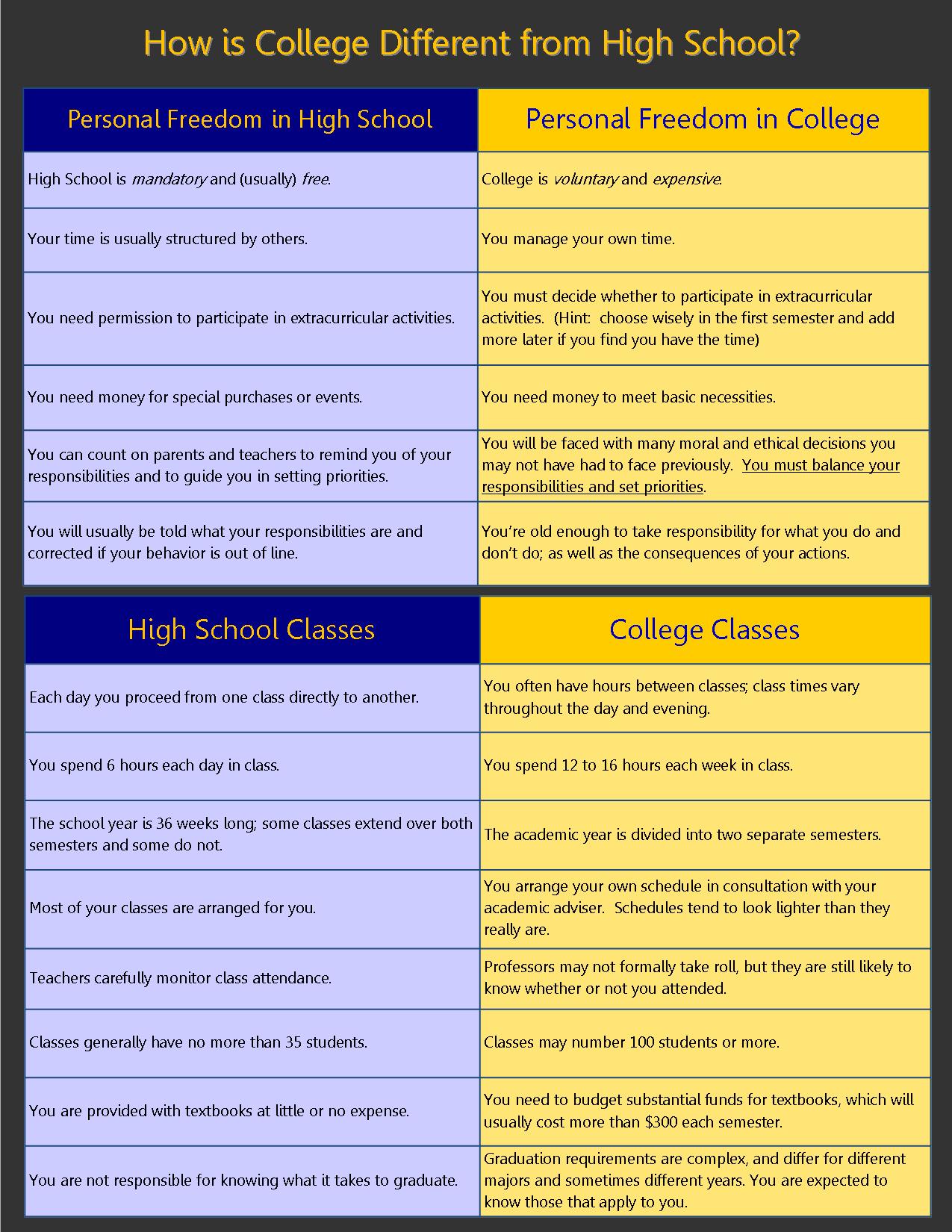
Differences Between School and University
Qualities of Successful Students
- Curiosity and the will to learn
- Good readers
- Self-motivated
- Organized
- Ensure time management
- Self-disciplined
- Active participants
- Good communication and social skills
Learning Style Inventory
What is the learning style inventory? Have any of you heard or knew about this?Learning style inventories are based on the idea that people have different strengths and preferences when it comes to study and they can be classified based on their predominant learning ‘style’. We know that all people learn differently, and by knowing our dominant learning style, it can help to enhance our educational process. At best, learning style inventories might be a way for students to develop study habits that keep them interested and engaged in the learning process. Students may find it useful and use it to hone their study routines.
Popular Learning Style Inventories :
- Kolb’s Learning Style Inventory (LSI)
- Fleming’s VARK Learning Style Questionnaire
http://vark-learn.com/the-vark-questionnaire/
- Jackson’s Learning Styles Profiler (LSP)
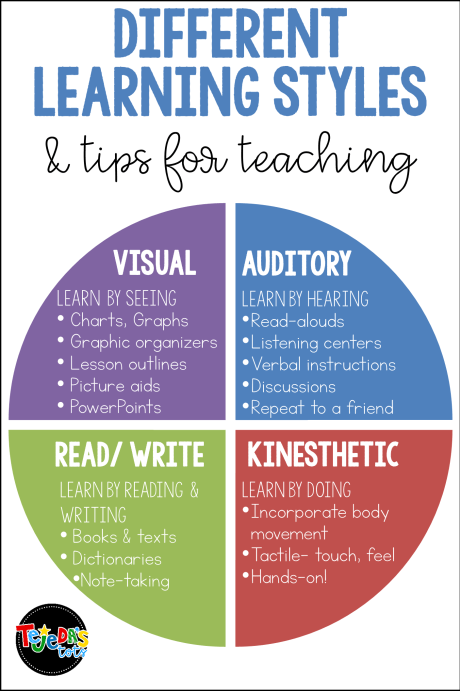
In summary, I’m a visual learner. I learn by reading and seeing pictures. I understand and remember things by sight. I can picture what I learn in my head and learn best by using methods that are primarily visual.
If you are a visual learner just like me, here are some things that visual learners like us can do to learn better :
- sit near the front of the classroom
- use flashcards to improve your vocabulary
- visualize things that you hear
- jot down key words, ideas, or instructions
- use pictures to help explain new concepts
- color code things
- avoid distractions during study time
Topic 2 : Goal Setting
by Madam Bushra Binti Mohd Zaki -25th July 2019-

What is goal?
According to the online BusinessDictionary, ‘goal’ is :
An observable and measurable end result having one or more objectives to be achieved within a more or less fixed timeframe.
The trouble with not having a goal is that you can spend your life running up and down the field and never score.
Bill Copeland
The importance of setting goals
I found an article talking about the importance of setting goals for students by Lydia Atieno. So, here is the link : https://www.newtimes.co.rw/lifestyle/importance-setting-goals-students
- to guarantee further achievement
- to set targets and works towards getting them achieved
- develop/acquiring survival skills
- have good control to their pressure
- be accountable with every step and action they take
- develop critical thinking
Effective Goal Statements : The Five Step Approach
- What you want to accomplish
- What obstacles do you face
- Your general resources
- Review and revise your goal statements
- Polish your goal statements
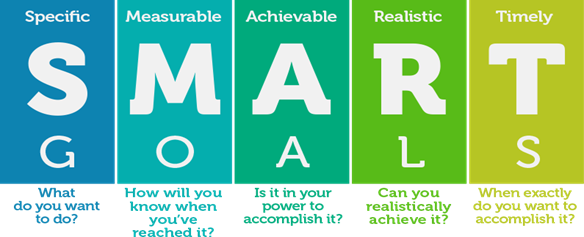
When writing your goal statements, you can use the five step or S.M.A.R.T to increase you chances for success.
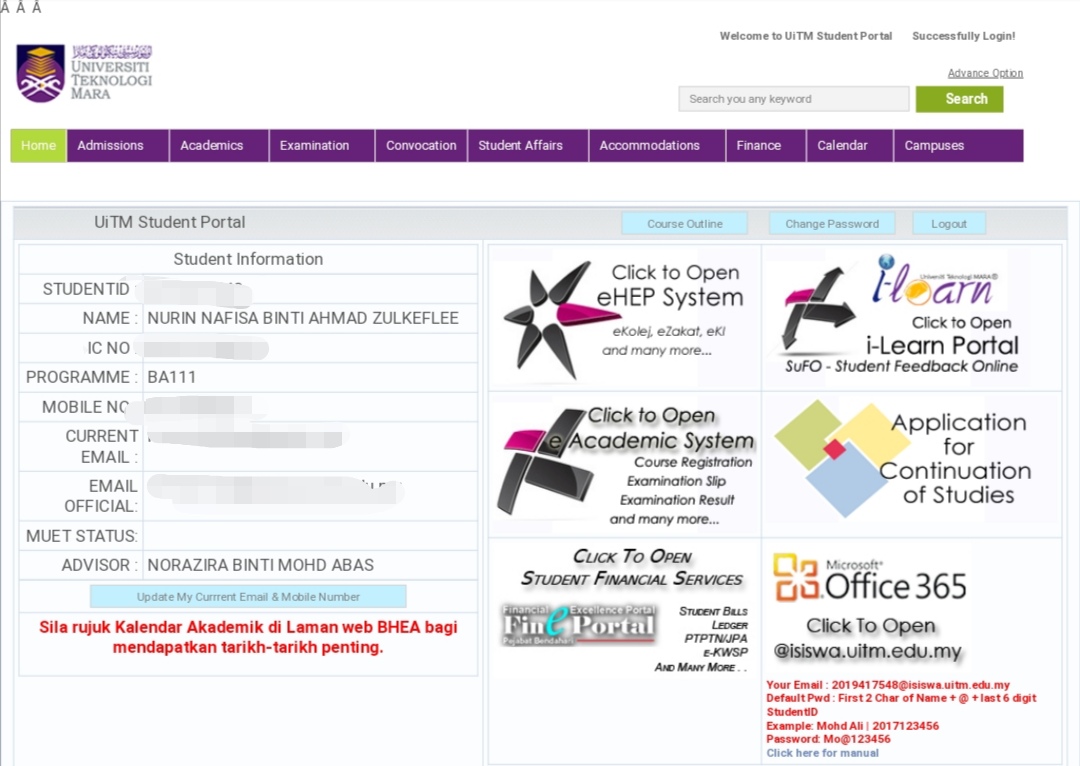
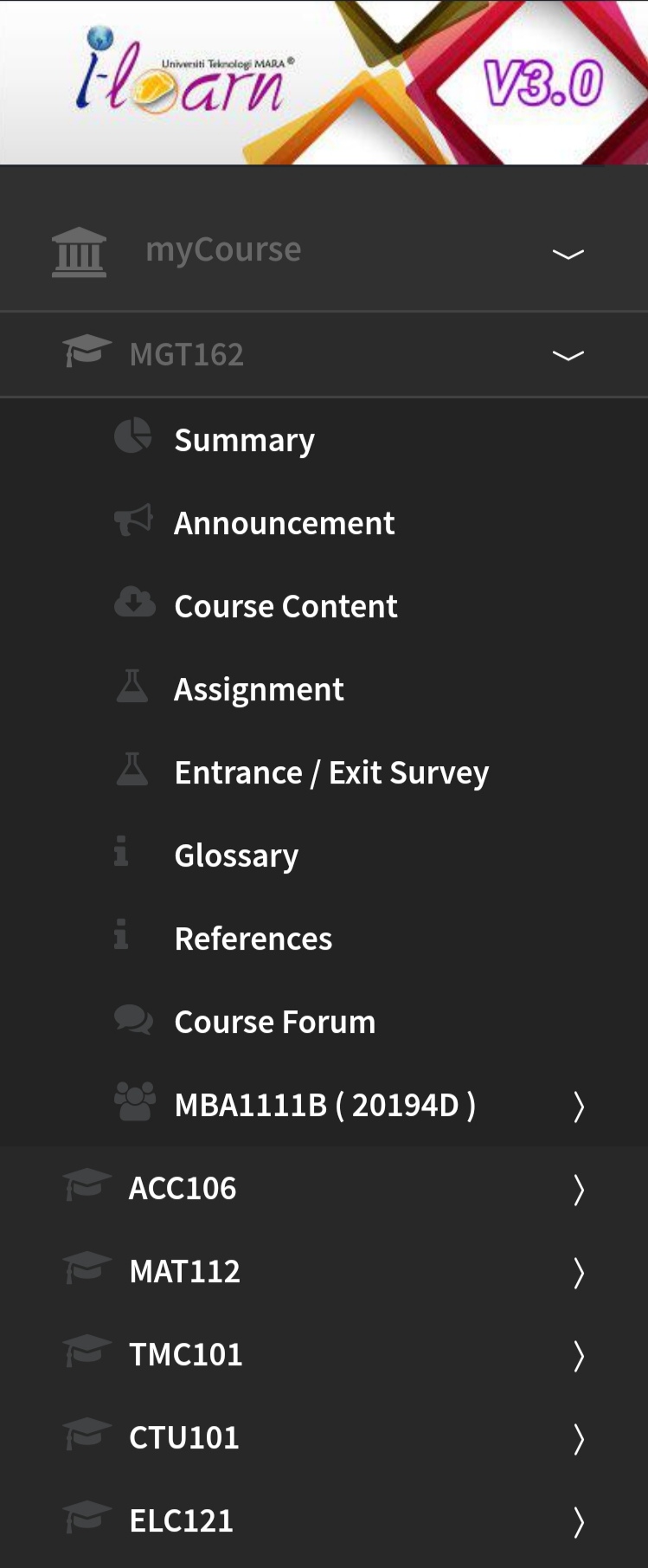
Learning Management System

Topic 3 : Time Management
by Madam Siti Nazirah Binti Omar -25th July 2019-

Effective time management to improve studying
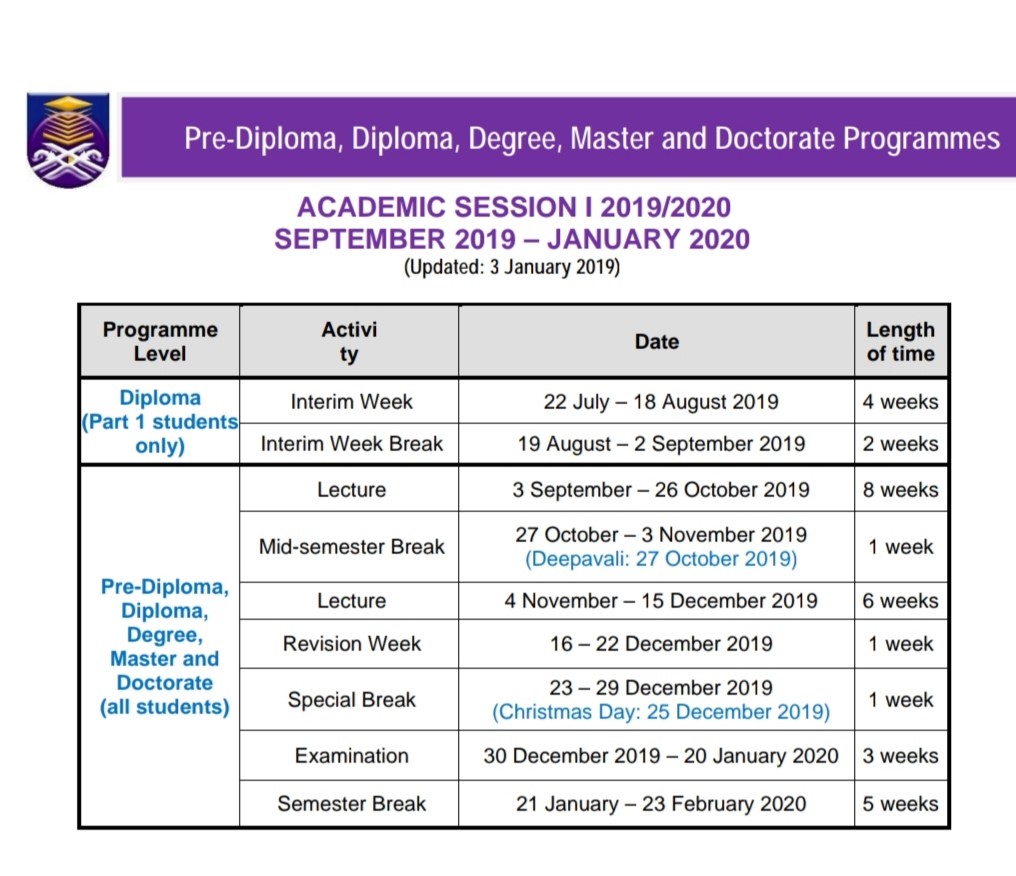
- Prepare a term calendar that outline your assignments with due dates, tests, school activities, all out-of school and extra-curricular activities.
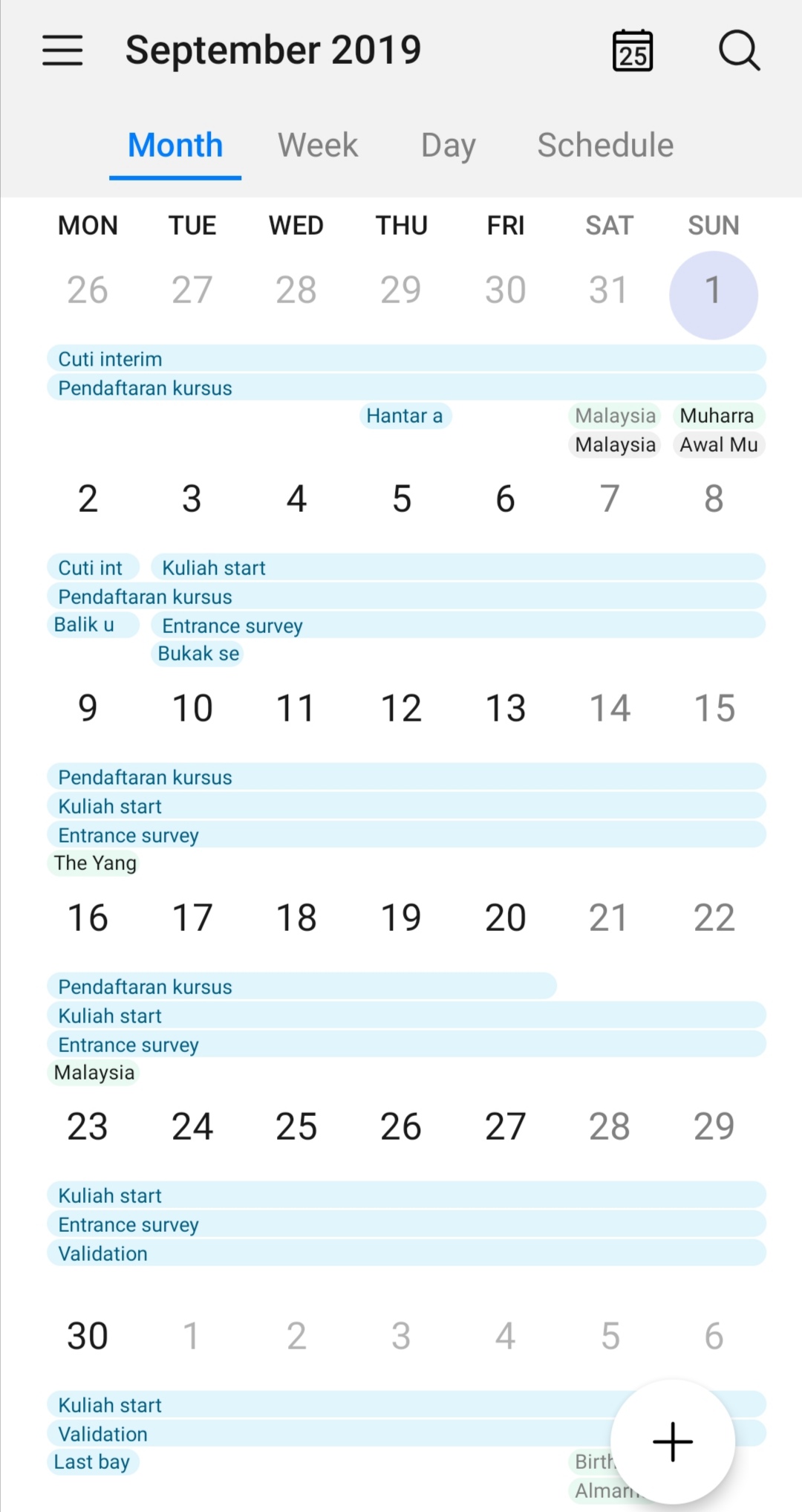
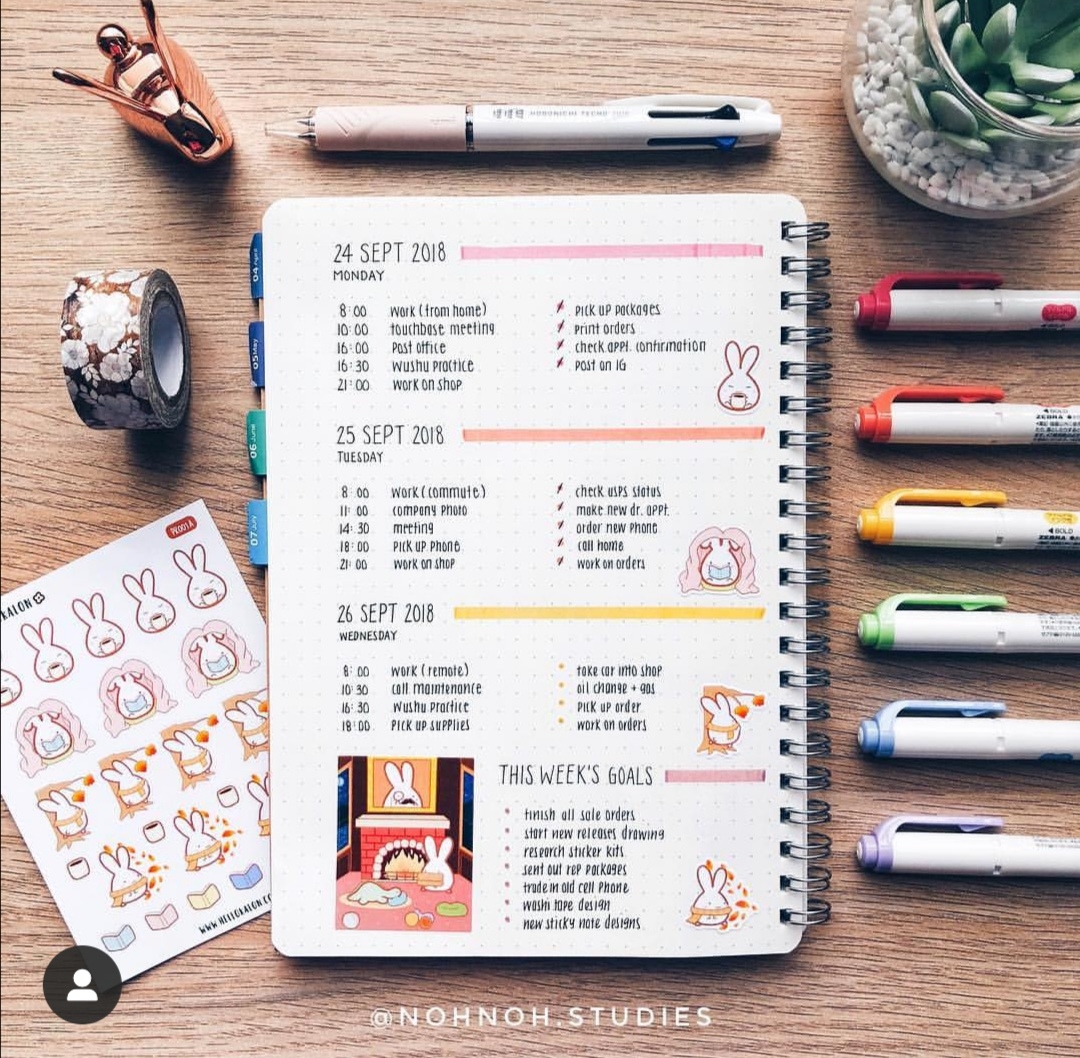
- Prepare a weekly schedule at the beginning of each new week.
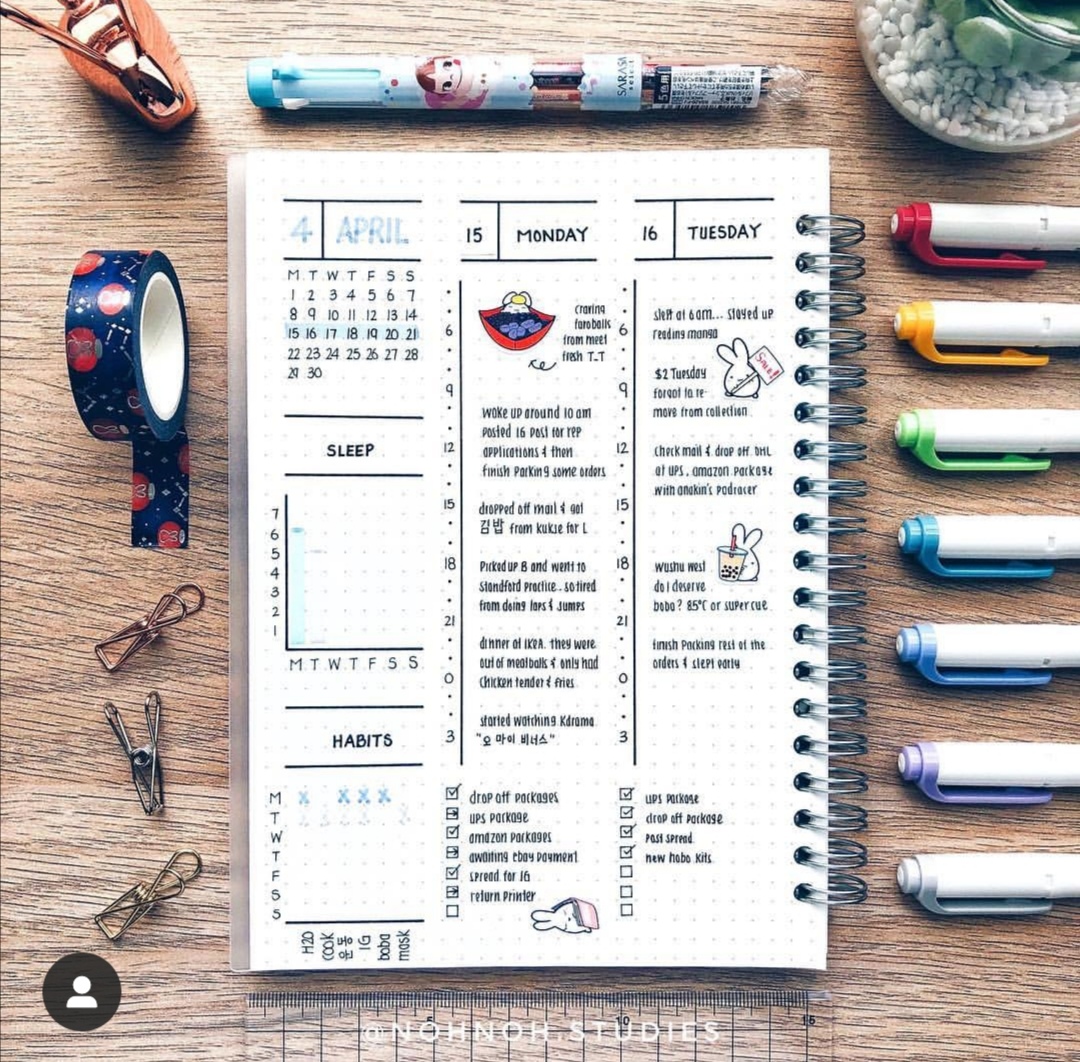
- Prepare a daily schedule for the next school day.
One of the keys to effectively managing your study time is to start with the big picture and work down to detail. Term calendar provides direction and instruction to accomplish the big picture while weekly and daily schedules provide the detail required to accomplish your term calendar.
How to manage your time and stay motivated?
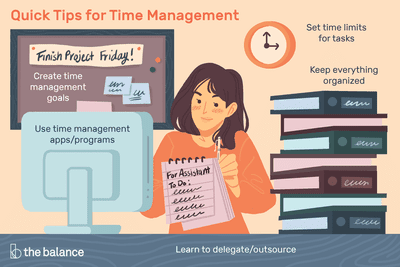
- Spend 30 minutes planning your day. Write down your to-do list to avoid you from having unproductive day.
- Take small but frequent breaks as working for a long hour will affect your productivity. Take a break to freshen up yourself.
- Block out time for important tasks. For example, work for your biology assignment for an hour. After the time is up, move to another task. This will help you to stay productive and avoid from lose interest in completing your work.
- Minimize distraction such as television, phone etc. to help you stay focus.
- Stop multitasking as it would only make you less productive. Working on a single task at a time to get better result.
Reducing procrastination
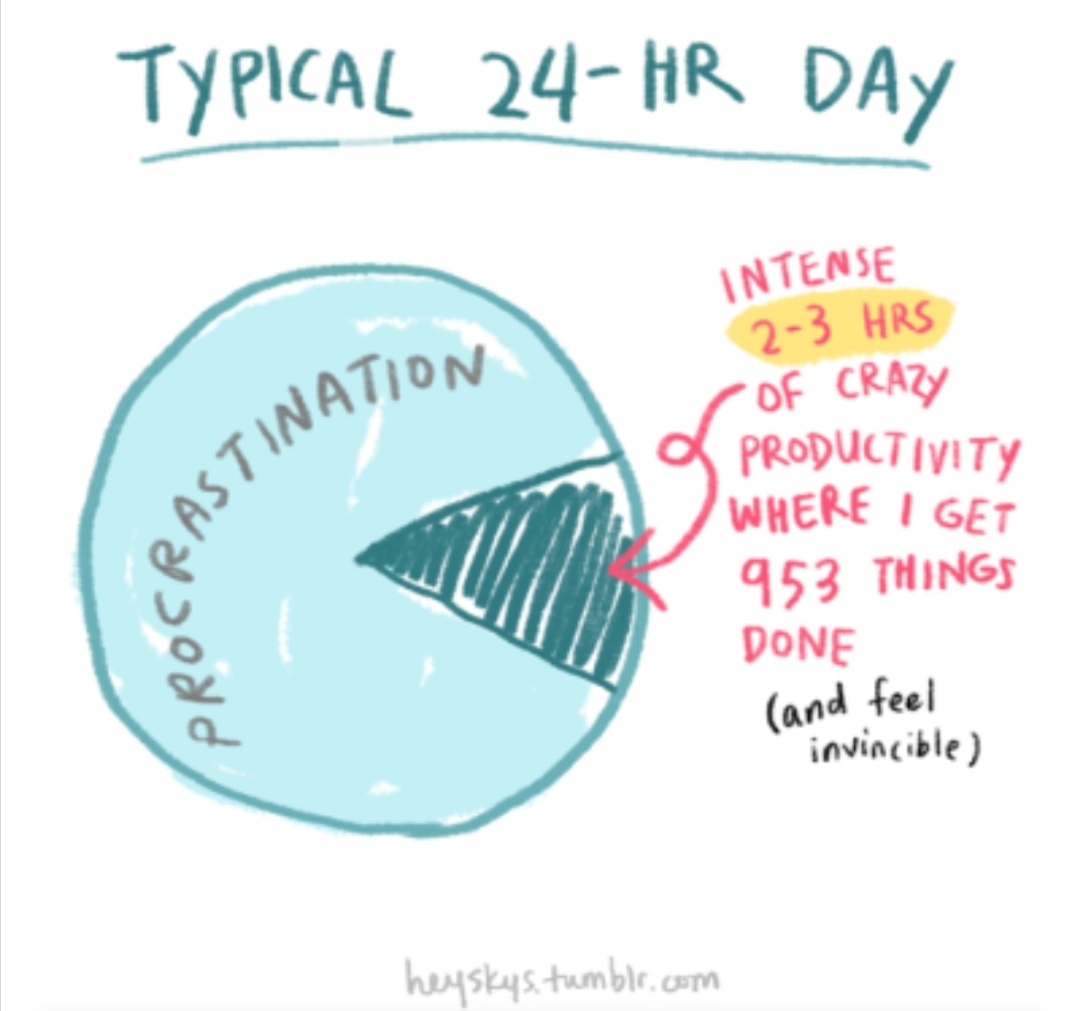
- Do task that you enjoy first to increase motivation, productivity, and success.
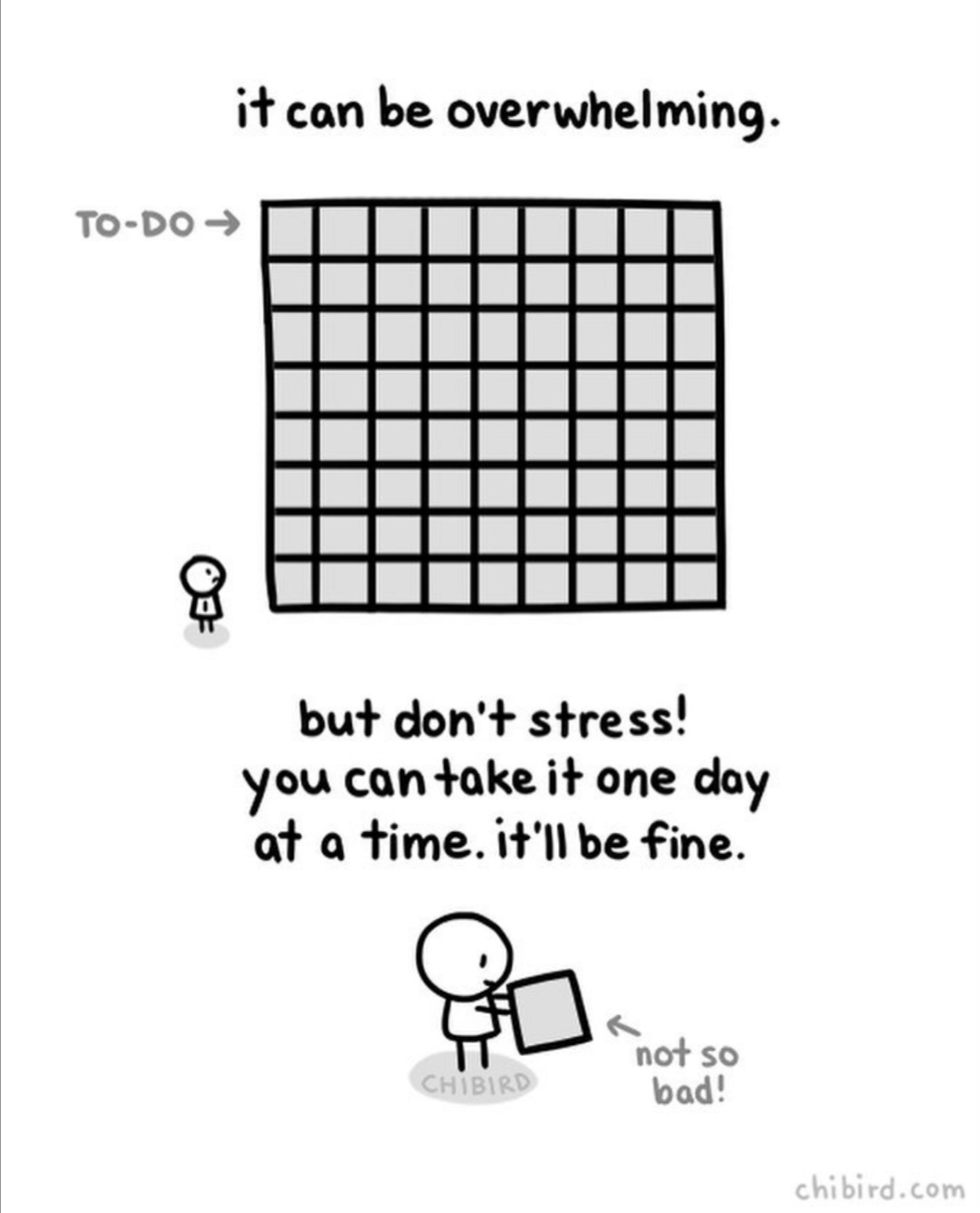
- Balance your time by breaking the large task or project into smaller tasks. Reduce the amount of time you allocate to each of those tasks, to avoid you from feeling overwhelm.
- Make productivity a game to avoid boredom.
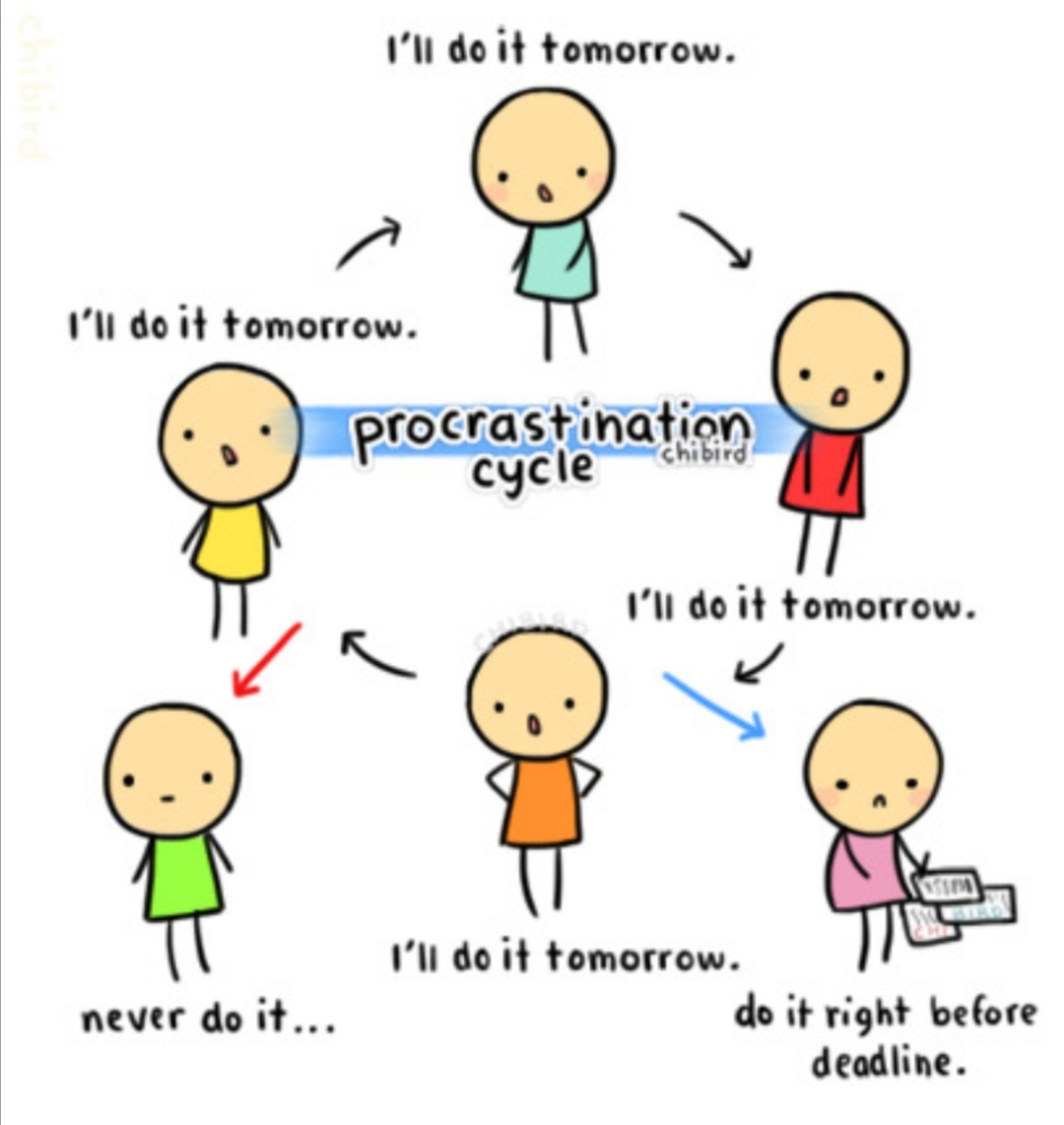
- Try to imagine the consequences of failing to complete the assignment or project that were assigned for you. That is enough of an incentive to get started.
Topic 4 : Getting to Know the Campus
by Madam Siti Nazirah Binti Omar -25th July 2019-




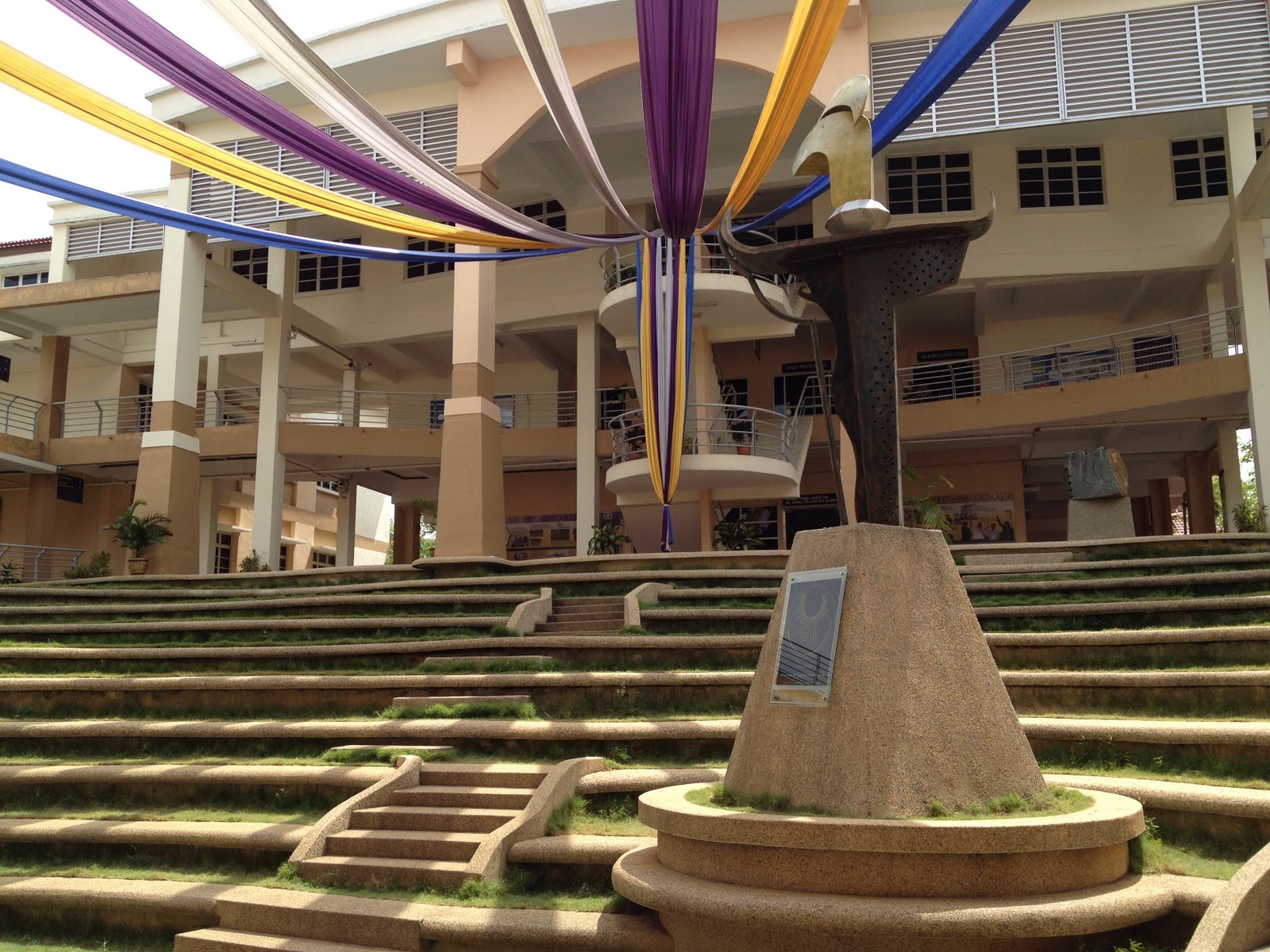

For more info, you can go to this website :
https://melaka.uitm.edu.my/v2/
Topic 5 : Memory, Learning and Improving Concentration
by Madam Norazira Binti Mohd Abas -25th July 2019-
How does memory works?

Memory refers to the continued process of information retention over time. It is an essential part of human cognition, allows individuals to recall and draw upon past events to frame their understanding of and behavior within the present. It plays a crucial role in teaching and learning.
Three main processes that characterize how memory works:
- Encoding : Process through which information is learned. It is how information taken in, understood, and to support storage. Usually encoded through visual encoding, acoustic encoding, semantic encoding, and tactile encoding.
- Storage: Refers to how, where, how much, and how long encoded information is retained within the memory system. It highlights the existence of two types of memory : short-term and long-term memory.
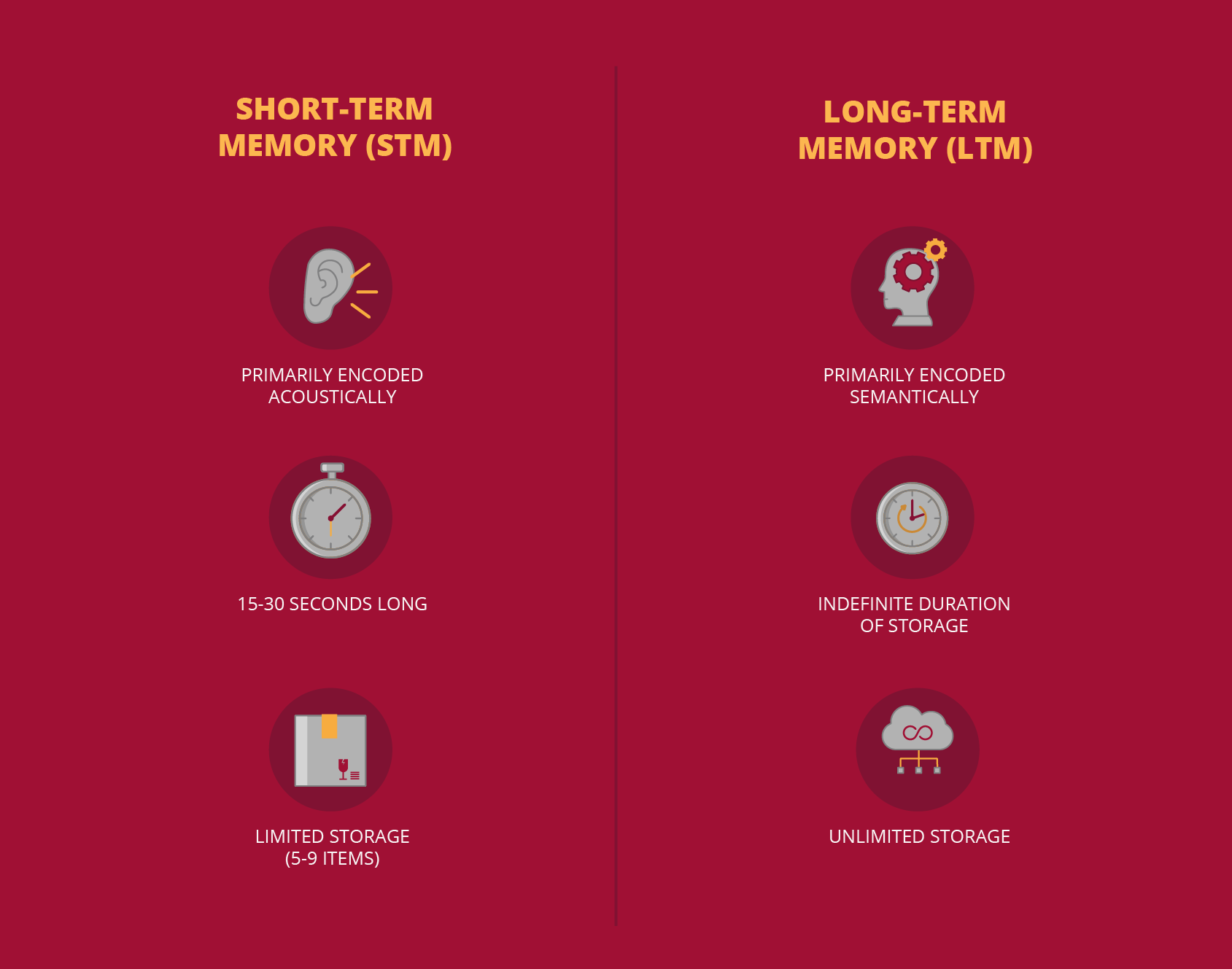
- Retrieval : Process through which individuals access stored information. Information stored in STM and LTM are retrieves differently due to their differences. While STM is retrieved in the order in which it is stored (for example, a sequential list of numbers), LTM is retrieved through association (for example, remembering where you parked your car by returning to the entrance through which you accessed a shopping mall) (Roediger & McDermott, 1995).
It’s story time!
Friday, 10th January 2014
I’m 13, and it is barely a week since school open after almost a month closed for school holidays. But on that day, I missed my school just because I accidentally burnt my mom’s kitchen 😥. Luckily for me, the fire didn’t burn the house or else I’ll be dead meat! Okay, back to the story. I’m rushing to get ready for school since it is Friday and my school van will pick me up at 11.30 a.m. and…I overslept. No one at home and just me. Alone. As soon as I got up it is already 10 a.m., I didn’t even prepare my school uniform yet and my tudung rendam dekat belakang (I know I’m at fault, should prepared it earlier😪). So as I was rushing preparing for my uniform, I remember that my mom ask me a favor before she went for work. Can you guess what it is? “Nurin, nanti tolong gorengkan ayam untuk Syirah and Razin sebelum pergi sekolah,” said mama.
Me : Goreng ayam ke nak iron baju dulu? Goreng ke iron? Nak cepat ni, nanti tak sempat siap. Tapi mama suruh goreng ayam.
And I make the stupidest decision ever….MULTITASKING.
*panaskan minyak dalam kuali and went upstairs to iron my school uniform
Me : Iron baju cepat-cepat lepastu terus turun bawah goreng ayam.
While I’m busy ironing my uniform upstairs, my kitchen already burning🔥. Only realized that when I smelt something, I thought it was my tudung since it’s still wet🤦♀️. So I looked for the source and finally, remember that I heat the oil for frying. I rushed downstairs but it was all vague. I can’t see anything as the stair, the living room, the kitchen all covered with smoke. It is hot and I can’t breath well. I covered my mouth with my shirt and went to the kitchen to extinguish the fire….and….I made it! I put out the fire with air rendaman tudung. Alhamdulillah it safe my live😌. The fire burned the stove, the kitchen hood, and destroyed part of the cabinet. The fire already touched the ceiling when I tried to put it out, just imagine how big it is. There is a lot more happening after I put out the fire, but I’ll just stop here. P.S. 10th Jan is my brother’s birthday, but sadly that year, we can’t celebrate it.😥
Moral of the story : NEVER MULTITASK!
Memory strategies
Improve your memory :
- Focus your attention. Actively attend to the information, in order for the information to move from short-term to long-term memory.
- Avoid cramming. Cramming especially when in the exam week is not a good idea. You need some time to adequately process information to store it longer.
- Structure and organize : Structuring and organizing the material you are studying by grouping similar concepts and terms together.
- Utilize mnemonic devices : It is a technique used to aid in recall and it is simply a way to remember information. Example : acronym, rhyme, song etc.
- Visualize concepts : Draw charts or figures in the margins of your notes or use highlighters or pens in different colors to group related ideas in your written study materials.
- Read out loud : Use this approach in your own studies by teaching new concepts and information to a friend or study partner.

Improve your concentration :
- Five more rule : When you feel like to give up doing your task, just do five more. Complete five more pages. Finish five more questions. Five more minutes. Continuing to concentrate when your brain is tired is the key to stretching your attention span and building mental endurance.
- One think at a time : Don’t use your brain as a reminder bulletin. It will only make you less productive and distract your concentration. Write down your to-do list so, you can give full attention toward your task.
- Conquer procrastination : Whenever you want to postpone your task or assignment, ask yourself question that can give you incentive to mentally apply yourself. It will bring you to face the fact that the task isn’t going away, and delaying it will be a burden for you.
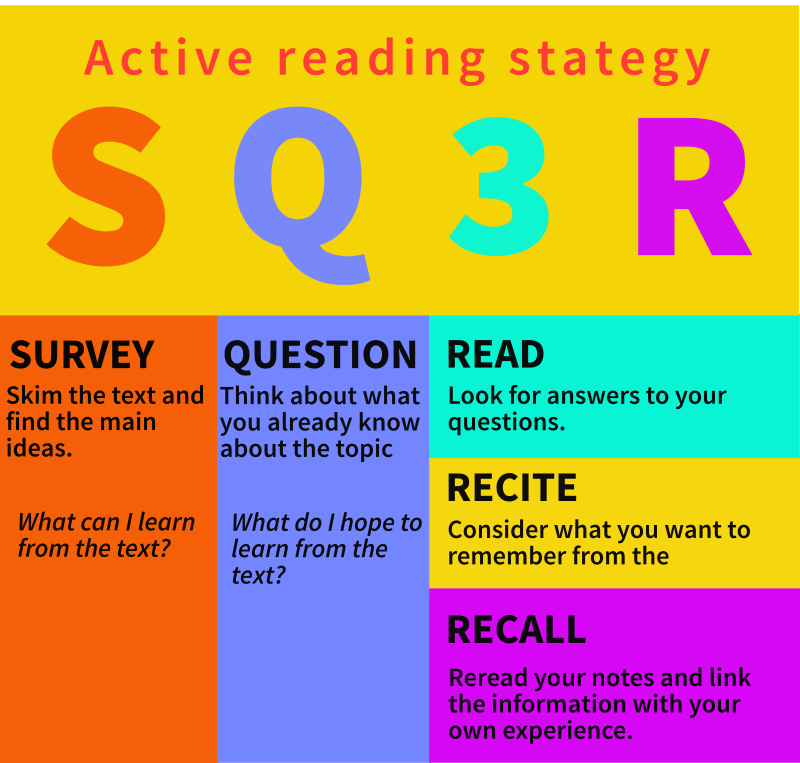
Reading/study system (SQ3R)
Topic 6 : Taking Lecture Notes
by Madam Rafidah Binti Abdul Azis -25th July 2019-
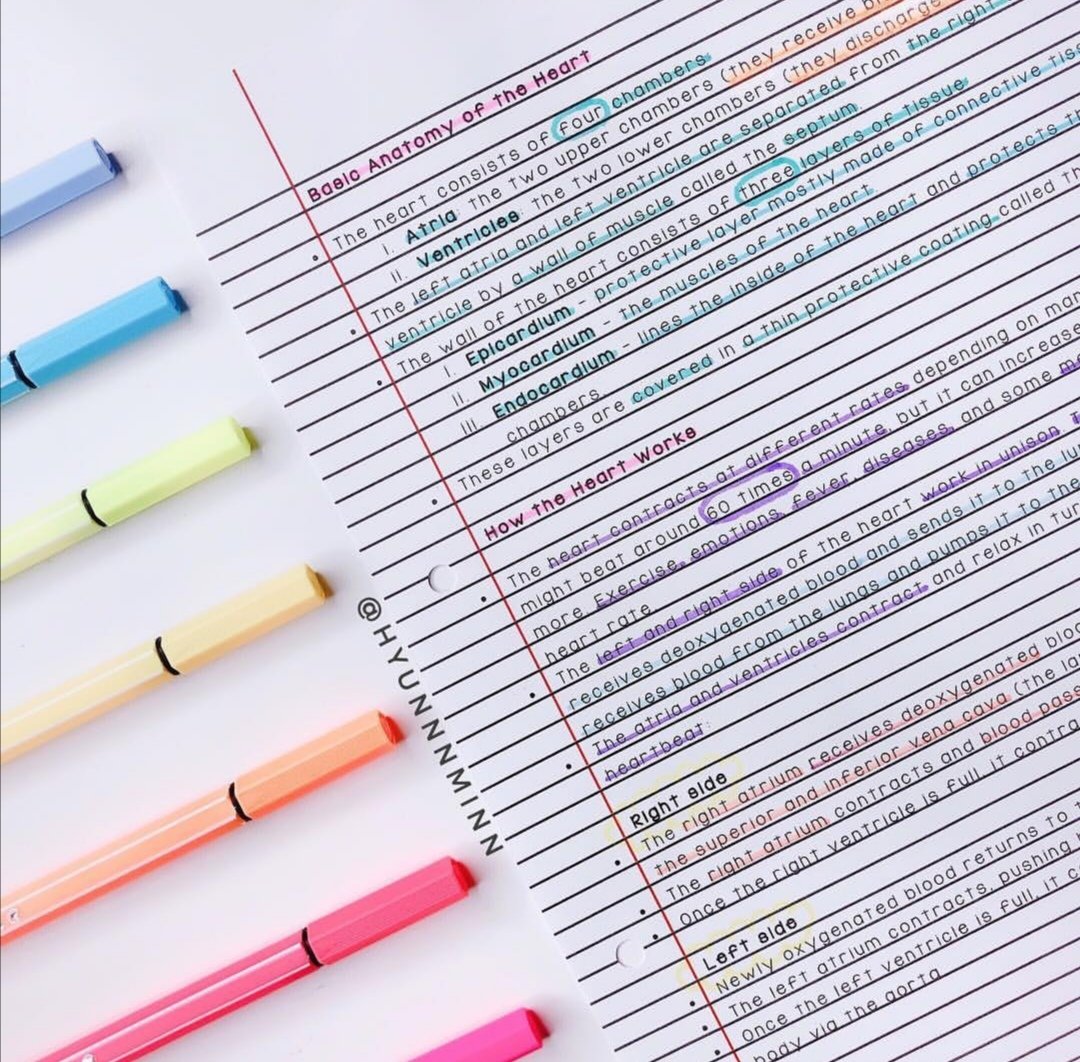
Why it is important to take an effective notes?
- help you integrate the information to your own writing
- reduces the risk of plagiarizing
- help you distinguish the ideas better
- help you remember the topics that you learned
- to increase your understanding
- as a resource for your exam preparation
Before the lecture/class : be prepared
- know what the lecture will be about
- do some required reading about the topic
- download lecture slides if it is available before class
- prepare notebooks/documents for note-taking
- sit near the front in order to take good notes
During the lecture : strategies for effective note-taking
- concentrate and listen attentively in class
- jot the main point and key information
- differentiate between the main points, elaborations, examples etc.
After the lecture
- review your notes to build your understanding
- re-engage your notes
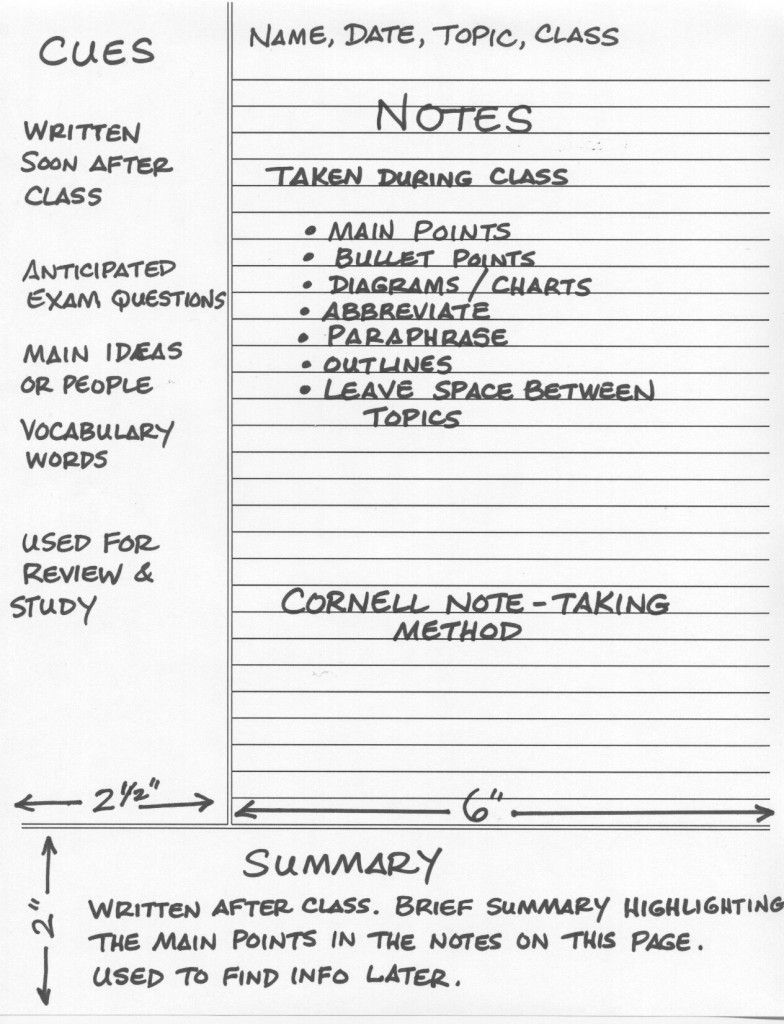
The Cornell Note-taking System
Topic 7 : Academic Integrity and Performance
by Madam Rafidah Binti Abdul Azis -25th July 2019-

Avoiding Plagiarism
What is plagiarism?
According to the Merriam-Webster online dictionary, to “plagiarize” means:
- to steal and pass off (the ideas or words of another) as one’s own
- to use (another’s production) without crediting the source
- to commit literary theft
- to present as new and original an idea or product derived from an existing source
Plagiarism is an act of FRAUD. It involves both stealing someone else’s work and lying about it saying it is yours.
How to obviate plagiarism when writing?
Before writing your paper :
- consult with your lecturer
- plan your paper and idea properly
- taking thorough notes
When writing your paper :
- always cite your source
- make it clear who said what by clearly distinguish them
- paraphrase the original sentences
- assay and appraise your sources for worth citing
- include a reference pages
- check for plagiarism using online tools
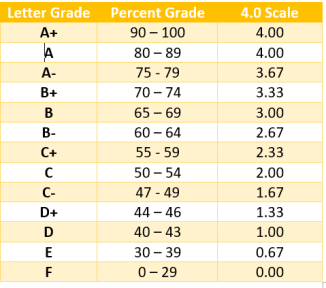
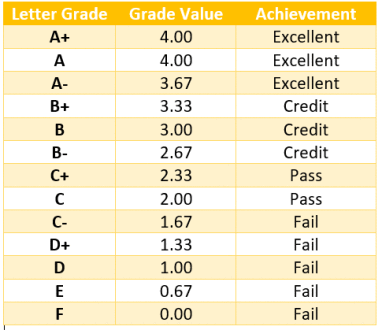
CALCULATING GRADE POINT AVERAGE (GPA)
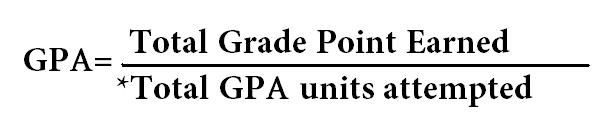
How to calculate GPA?
EXAMPLE :
| CODE | CREDIT HOURS | GRADE | GRADE POINTS |
| ACC106 | 3 | A | 4(3)=12 |
| MAT112 | 3 | B+ | 3.33(3)=9.99 |
| MGT162 | 3 | A- | 3.67(3)=11.01 |
| TMC101 | 2 | A | 4(2)=8 |
| TOTAL | 12 | 41 |
CALCULATE GPA :
GPA = total GP / total credit hours

GPA = 41 / 12
    = 3.41

* grade points = grade value x credit hours
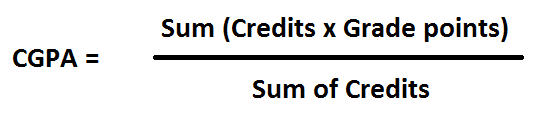
If you want to calculate your cumulative grade point average (CGPA), total the credit hours and then the grade points from all semesters. Divide the total grade points by the total credit hours.
 UED102 :STUDY SKILLS